Most code doesn’t fail immediately.
It fails later — when reality stops matching your assumptions.

It works with test data.
It works on your machine.
It works… until it doesn’t.
Because every piece of code quietly assumes something:
- Inputs are valid
- APIs always respond
- Users behave predictably
- Timing doesn’t matter
And then one day… one of those assumptions breaks.
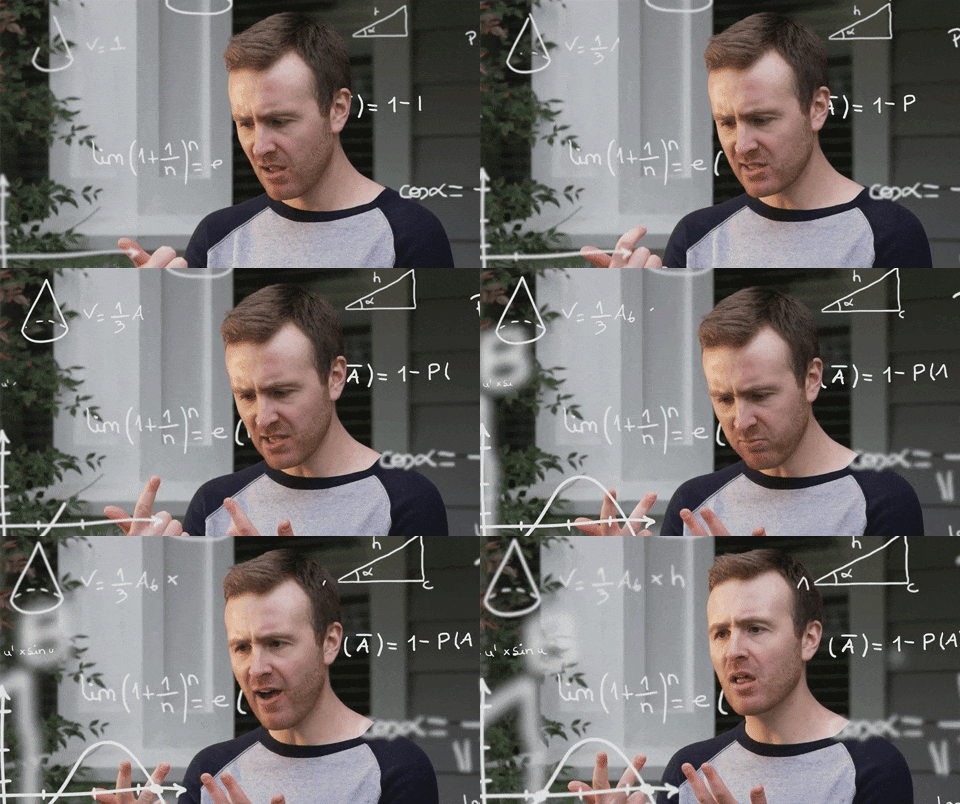
The issue isn’t the code itself
it’s what the code expected.
Now I try to think differently when building:
- What if this value is null?
- What if this request fails?
- What if this runs twice?
- What if this scales?
Good code handles the expected.
Better code questions it.
A small lesson I learned
I once built a feature that worked perfectly
until two requests hit the same endpoint at the same time.
Same code. Different reality.
That’s when it clicked:
Software doesn’t run in ideal conditions.
It runs in the real world.